
EPR institutional department
Church Growth Department
The Department of Church Growth (DCE) supports evangelism, Christian education and ministry with children, youth, women, men and families across EPR structures.
Mandate and institutional role
According to EPR’s published department profile, the Church Growth Department advances the Church’s missionary work throughout Rwanda. Its activities are undertaken through the Central Office and, as appropriate, through presbyteries, parishes and basic ecclesial communities (Amatorero y’Ibanze).
The department’s published responsibilities include evangelisation campaigns; Christian education and training for different age groups; support for the commemoration of the 1994 Genocide against the Tutsi; mobilising resources for pastors’ theological education; ongoing pastoral empowerment; and support for church construction and presbytery development.
Key areas of work
- Evangelism and mission: coordinating evangelisation initiatives and supporting missionary outreach across EPR’s seven presbyteries.
- Christian education: supporting Christian learning and formation within the Church.
- Children, youth and family ministry: organising training and ministry activities for children, young people, women, men and older people.
- Pastoral development: mobilising resources for pastors’ studies at theological institutions and supporting their continuing development.
- Church and presbytery development: supporting church construction and related development priorities.
- Grassroots church life: strengthening the work of parishes and basic ecclesial communities.
NDATUMA NDE? national evangelisation campaigns
EPR’s department profile records a national series of evangelisation campaigns under the name NDATUMA NDE? (“Whom shall I send?”), conducted from 2013 to 2019. The published sequence visited all seven presbyteries:
- 2013 – Remera Presbytery: first national campaign; the evangelisation fund was launched.
- 2014 – Rubengera Presbytery.
- 2015 – Kirinda Presbytery.
- 2016 – Kigali Presbytery.
- 2017 – Gisenyi Presbytery.
- 2018 – Gitarama Presbytery.
- 2019 – Zinga Presbytery.
This is a historical programme record; it should not be read as confirmation that the same campaign is currently active.
Basic ecclesial communities
EPR describes a basic ecclesial community as a local church structure bringing together members from at least seven neighbouring families. Its published description refers to a four-person committee representing men, women, youth and children, and weekly meetings for biblical and thematic learning prepared by EPR.
These communities are described as local platforms for putting Church programmes into practice and supporting new missionary communities, parish life, social work, family-conflict mediation, savings groups and small income-generating initiatives.
Historical reference: EPR reported 3,573 basic ecclesial communities across the Church as of September 2022. This dated figure is not presented as a current total.
Recent activities reported by EPR
The department source page links its mandate to the following dated public activity reports:
- 19 July 2026 – EPR Celebrates 30 Years of UEM: Sharing Mission, Embracing Diversity.
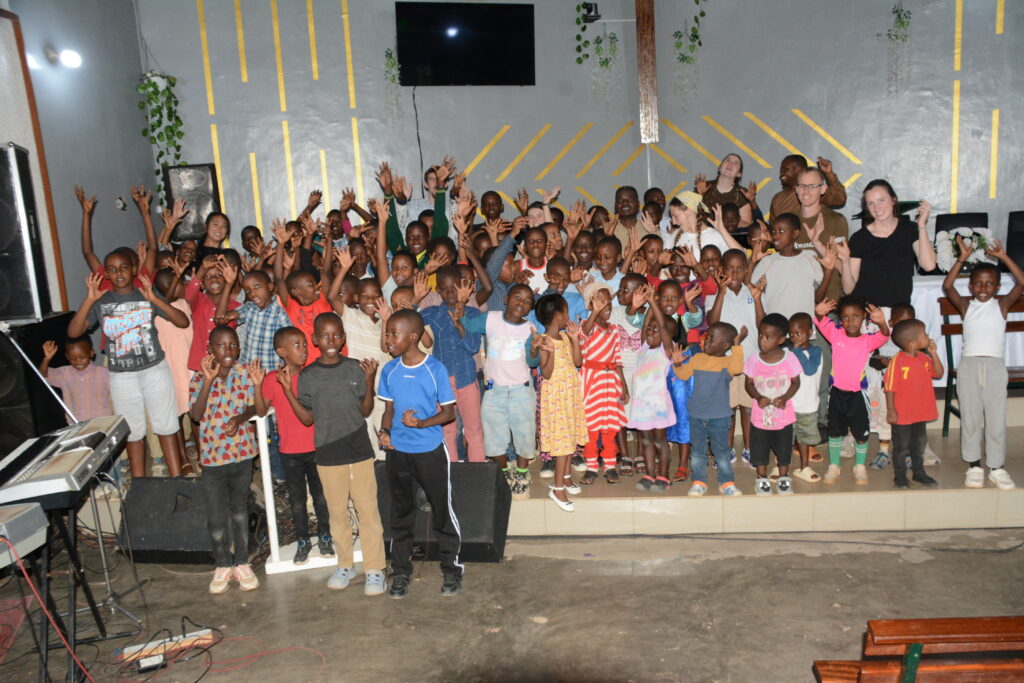
- 7 July 2026 – Isano Parish Organizes Vacation Bible Study to Strengthen Children’s Faith and Fellowship.
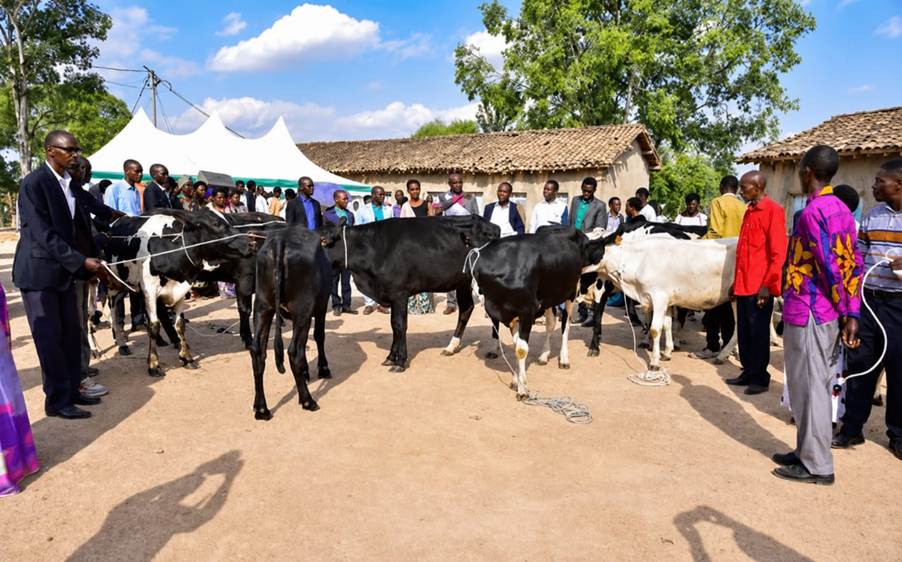
- 19 June 2026 – Remera Presbytery reports livestock support to more than 70 families and marriage ceremonies for couples living together.
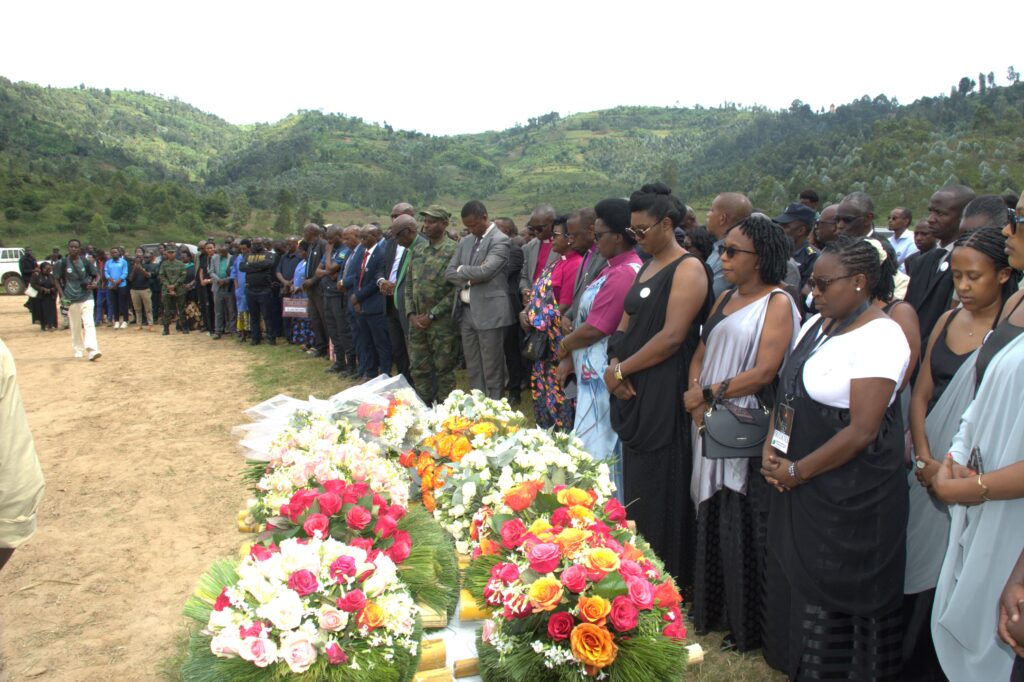
- 13 June 2026 – EPR commemorates the 32nd anniversary of the 1994 Genocide against the Tutsi at Kirinda.
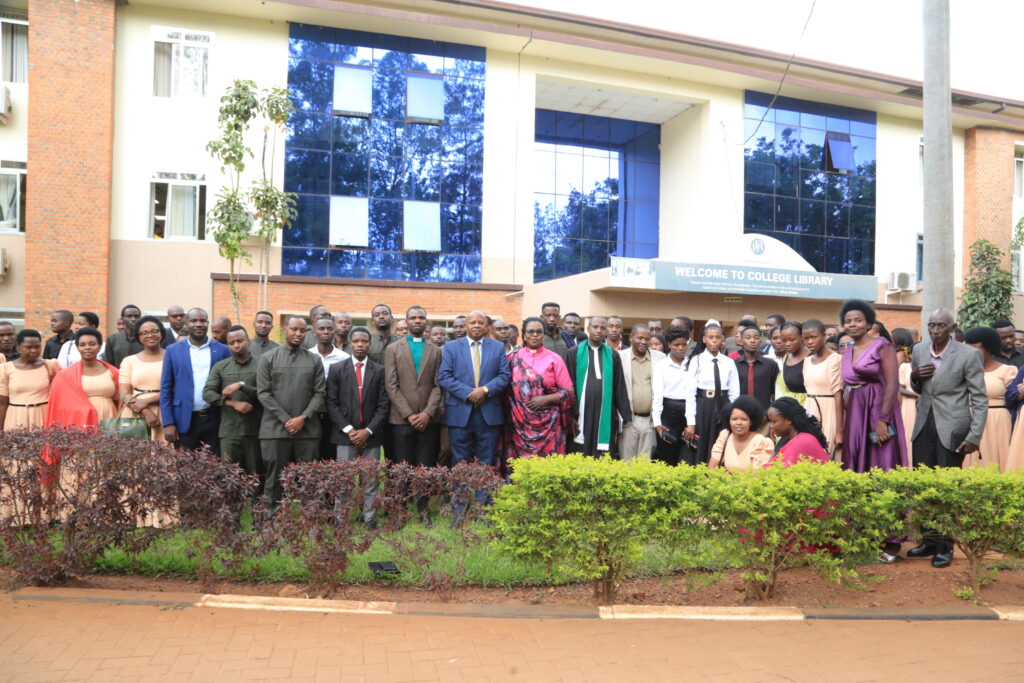
- 1 June 2026 – “Garuka Ushime” Thanksgiving Event at the University of Rwanda, Rukara campus.
- 28 May 2026 – Youth and women’s role in building peace, unity and respect in Rwandan society.
These are dated source-reported activities, not a complete programme register or confirmation that each activity remains active.
Institutional information and verification
This profile is based on EPR’s publicly available Church Growth Department information. The department’s current internal structure, programme calendar, leadership appointments, contact details and latest activity figures should be confirmed by the Central Office before being published as current operational information.
Source: EPR – Church Growth Department. Historical programme dates and the September 2022 community count are explicitly time-qualified.
Church Growth Department in pictures
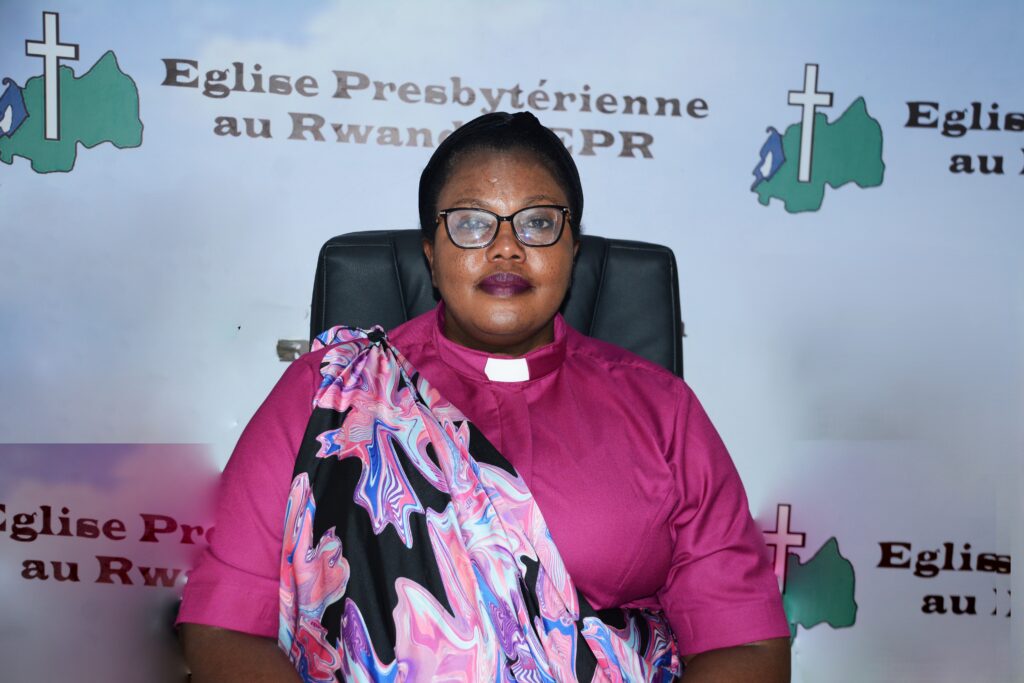
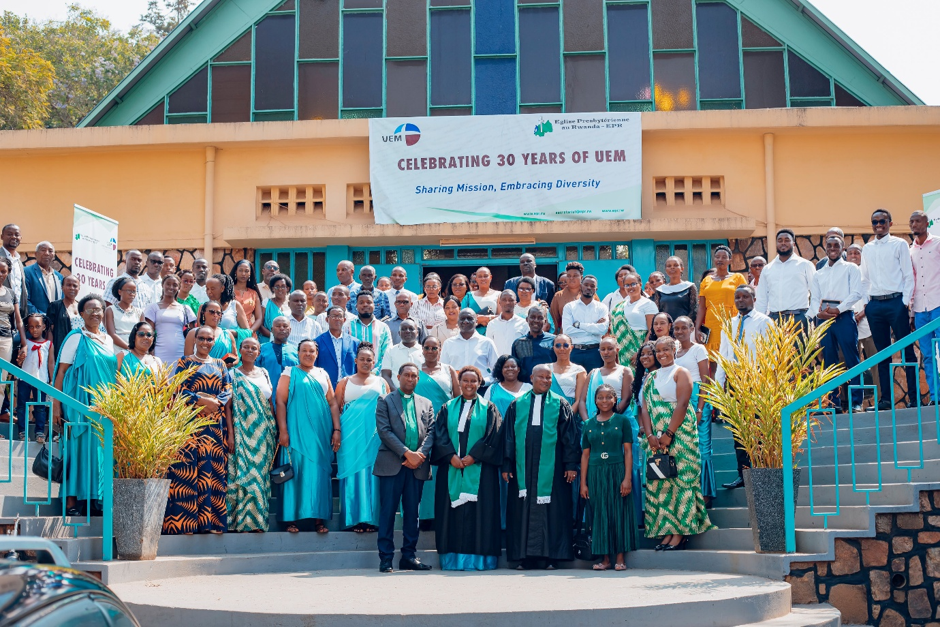
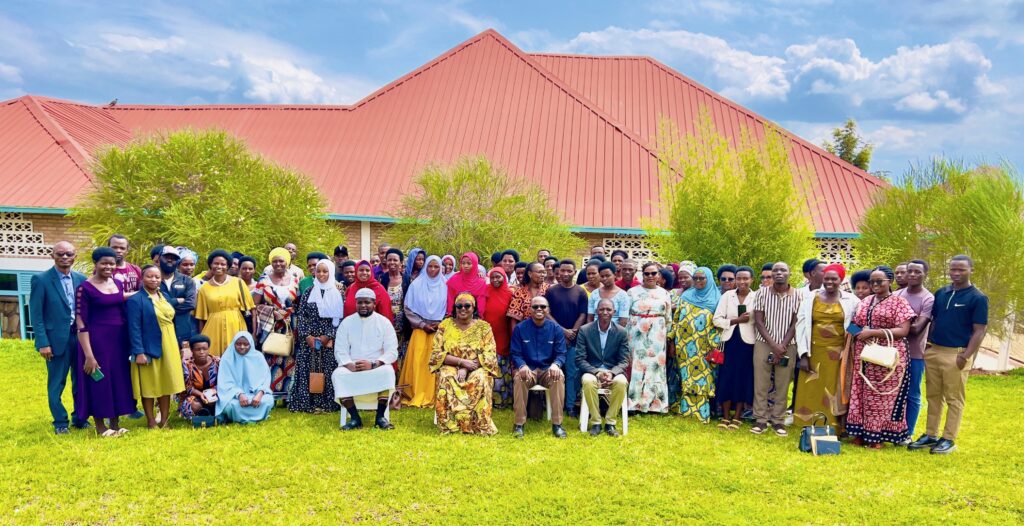
Images are retained from the official EPR Church Growth Department source page; captions use the source filenames where no descriptive caption was supplied.