EPR institutional department
Diakonia and Development Department
The department expresses the Church’s service to people in need through social justice, inclusion, livelihoods, humanitarian action and community development.
Mandate and approach
EPR’s published profile describes diakonia as service to people in need and identifies justice and equal opportunities as central concerns. It also recognises the Church’s role in the economic development of its members, the growth of the Church and wider community development.
The department’s work is described as connecting the Church’s strategic priorities with practical interventions involving households, parishes, presbyteries and other EPR structures.
Areas of responsibility
- Project development and resource mobilisation: designing projects, advocating for project funding and mobilising contributions towards EPR’s operating budget.
- Food security and livelihoods: managing food-security project cycles, promoting employment and supporting other vital social and economic initiatives.
- Savings and credit: initiating and monitoring savings and credit structures.
- Parish and presbytery development: promoting diaconal awareness, accompanying local structures and supporting income-generating activities.
- Household self-development: designing and implementing initiatives that strengthen household capacity and resilience.
- Humanitarian action and inclusion: initiating and implementing projects for marginalised people, including people with disabilities, people affected by HIV/AIDS, people experiencing poverty and disaster-affected communities.
- Institutional coordination: developing and implementing strategic and operational plans in collaboration with other EPR structures.
- Guest-house and hotel interface: serving as an institutional interface with EPR guest houses and hotels, as stated in the published departmental brief.
Recent activities reported by EPR
The department page links its mandate to public activities and partnerships. The following dated examples are drawn from EPR’s published activity listings:
- 19 August 2026 – Wheels for the World programme in Rwanda: an activity reported in connection with community well-being and support for people with disabilities.
- 15 July 2026 – Disability inclusion exchange: EPR shared experience with a delegation from the Evangelical Lutheran Church of Cameroon.
- 25 August 2025 – National Youth Forum for Students with Disabilities: EPR and the National Union of Disability Organisations in Rwanda (NUDOR) reported a forum focused on empowerment and inclusion.
- 20 August 2025 – Youth Forum opening: the forum opened at the CPAJ Centre in Kigali.
- 19 September 2025 – ECD Center Officially Inaugurated in Nyarubuye, Rwamagana: EPR’s CCDP project inaugurated the centre in Fumbwe Sector with Rwamagana District and Help a Child; the report also records a Gender Accountability Day focus on gender equality and child protection.
- 7 August 2025 (listed by EPR on 8 August 2025) – Positive Parenting Graduation Ceremony Held in Rwamagana: the first Positive Parenting graduation of 2025, delivered in collaboration with Turakura Kids Rwanda, EPR and Help a Child.
These are dated public activity examples, not a complete project register or a statement that each activity remains active.
Coordination and delivery
The published departmental brief emphasises working with other EPR structures to develop and implement strategic and operational plans. This coordination is important where programmes involve local church structures, community groups, partner organisations or people requiring targeted humanitarian support.
Institutional information and verification
This profile is based on EPR’s publicly available Development and Diakonia Department information. Current programme portfolios, project locations, partner agreements, eligibility criteria, results, internal structure, leadership appointments and department contact details should be confirmed by EPR before being presented as current operational information.
Source: EPR – Diakonia and Development Department. Activity examples retain their published dates.
Diakonia and Development in pictures

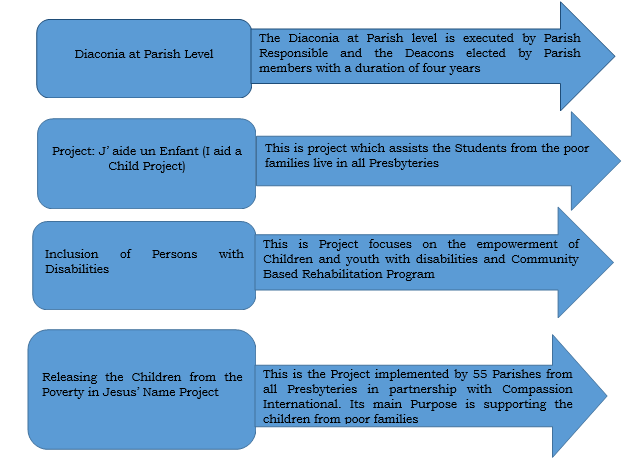
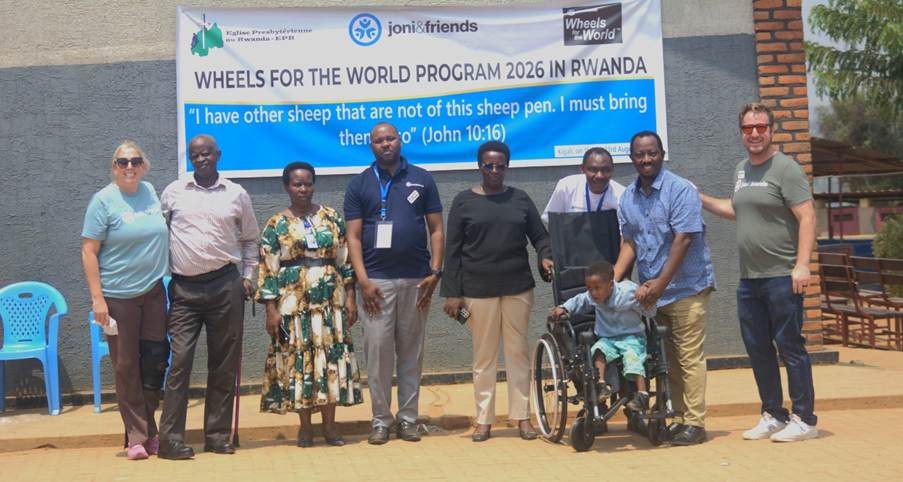
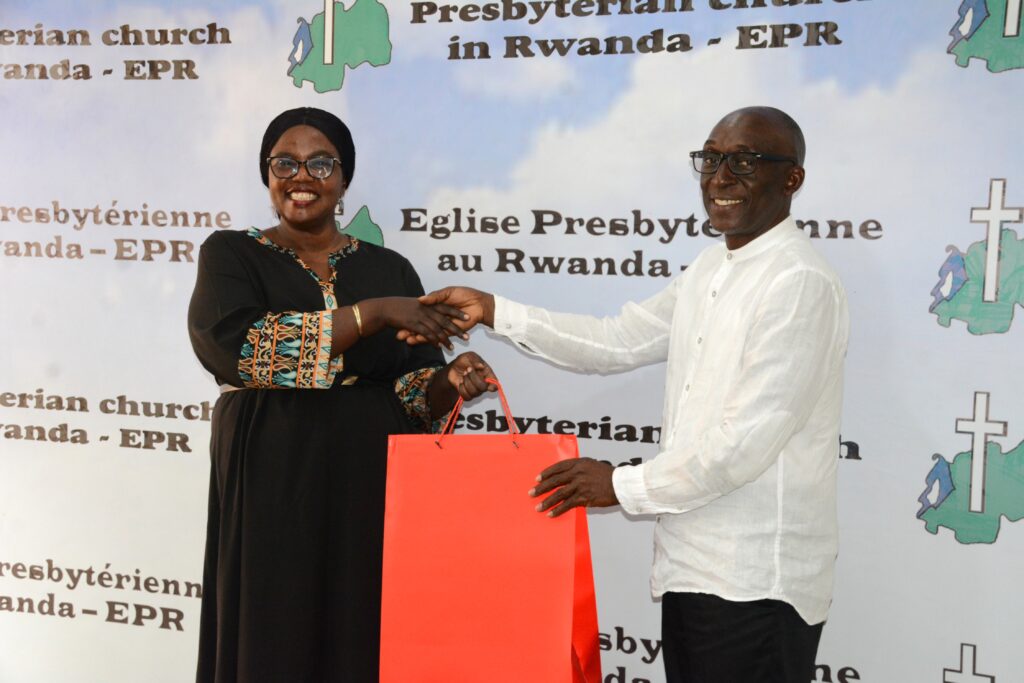
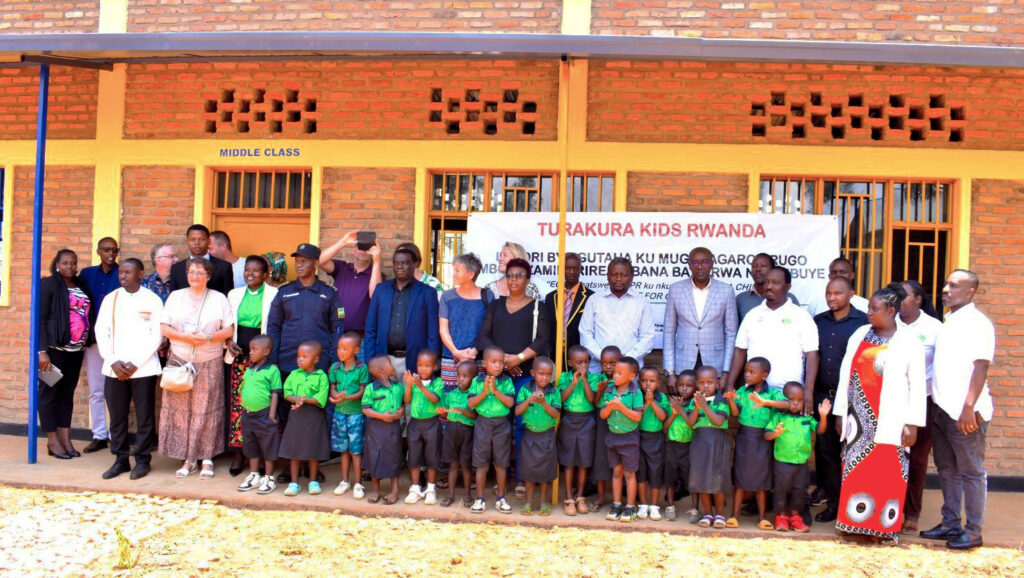
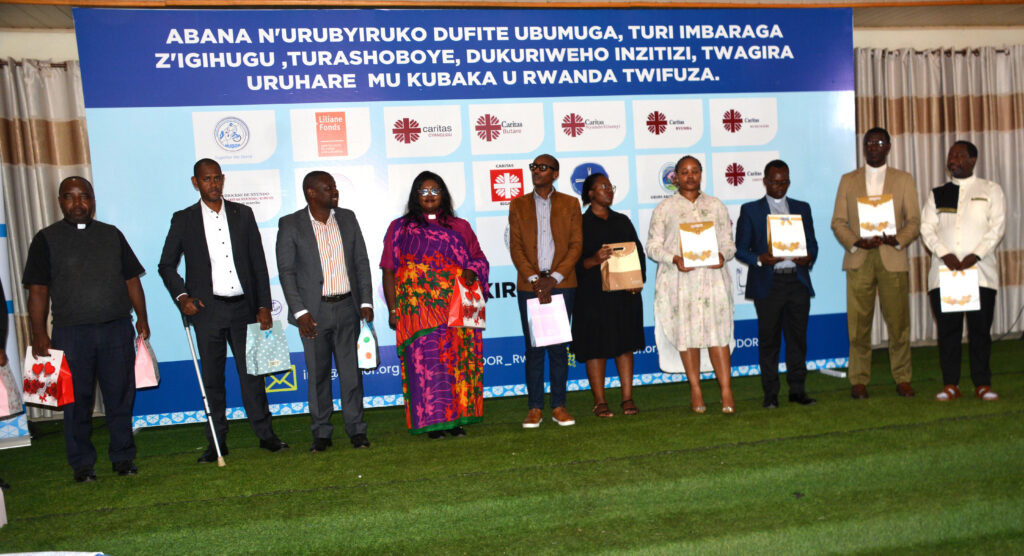
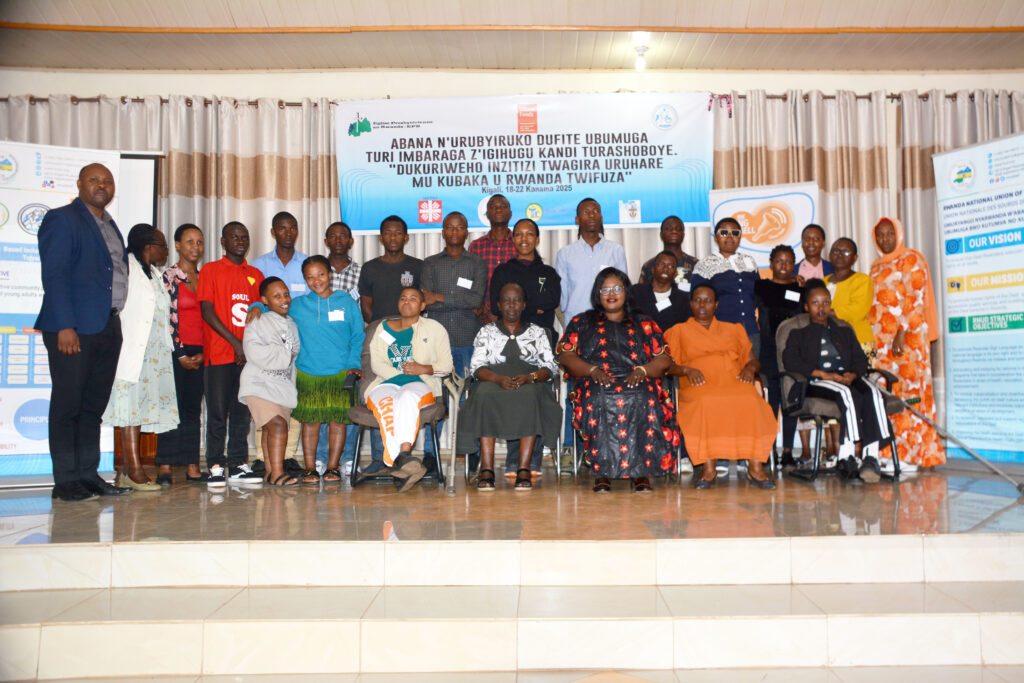
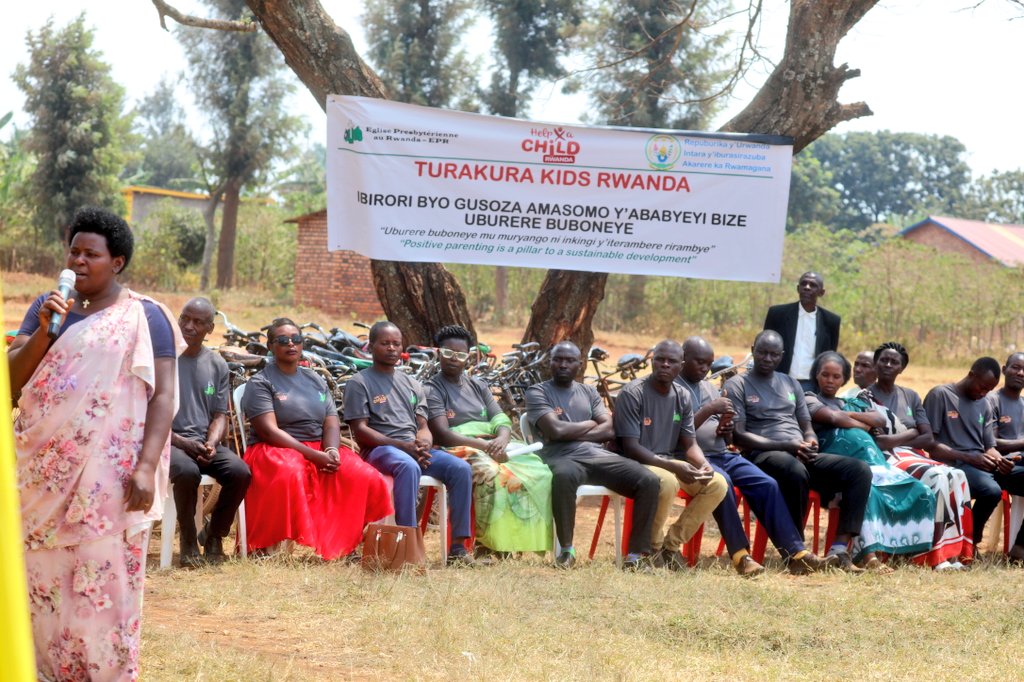
Images are retained from the official EPR Diakonia and Development Department source page; captions use the source filenames where no descriptive caption was supplied.
Historical community development activity: Modern farming (2022)
EPR’s source record, published on 27 June 2022, lists community work in Mbati Parish and tree nurseries in Gacurabwe and Mbati parishes. The original entry provides captions and photographs but no further narrative.
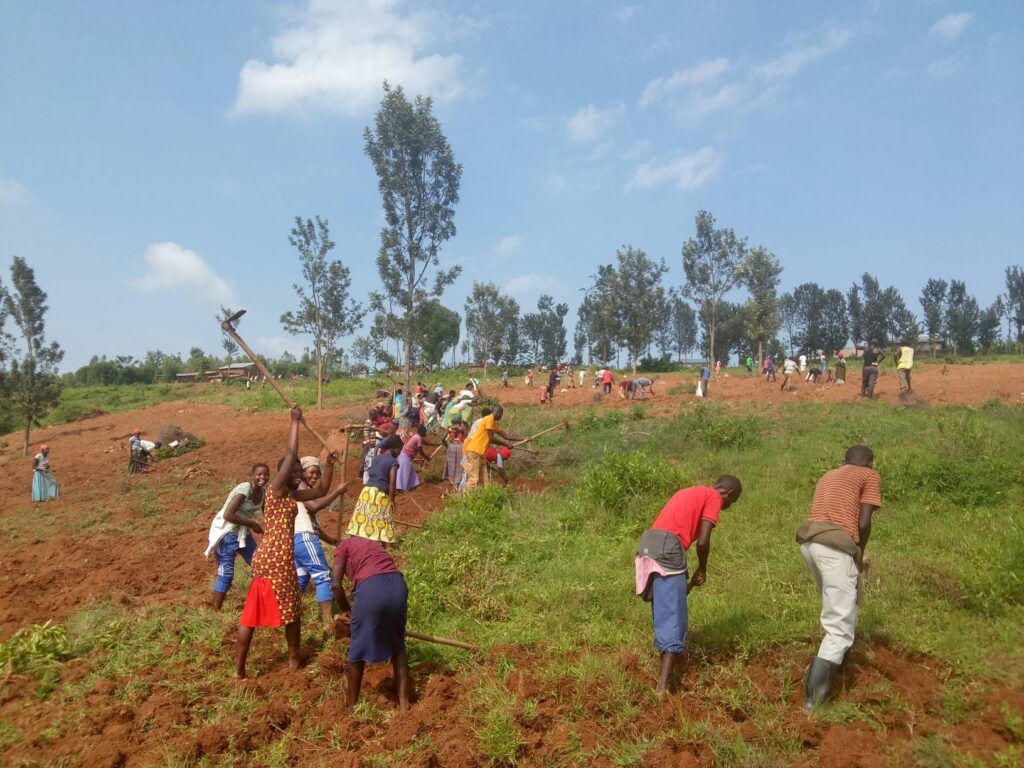
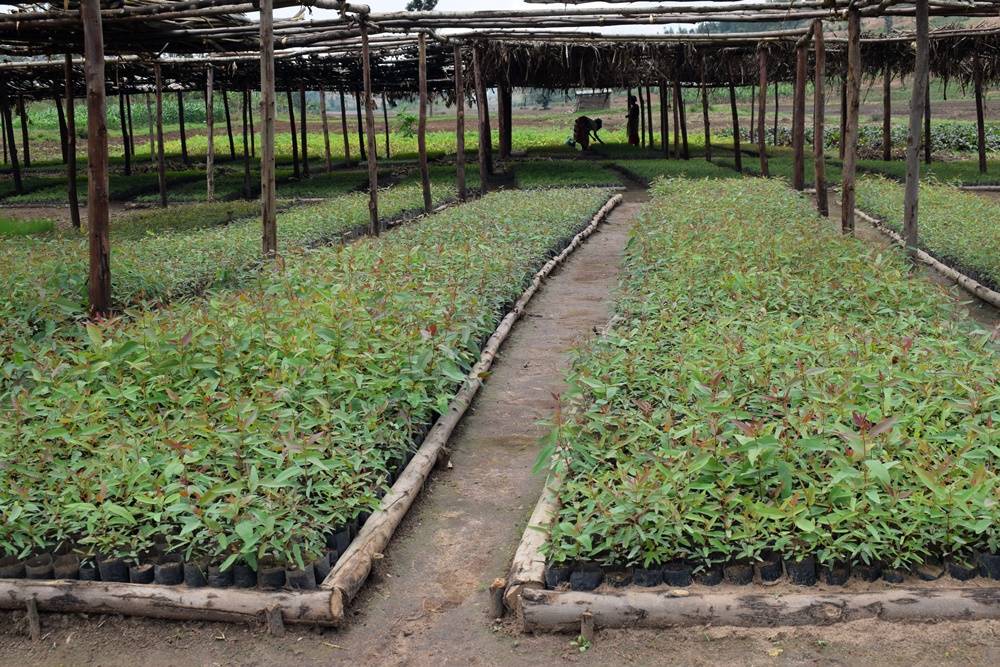
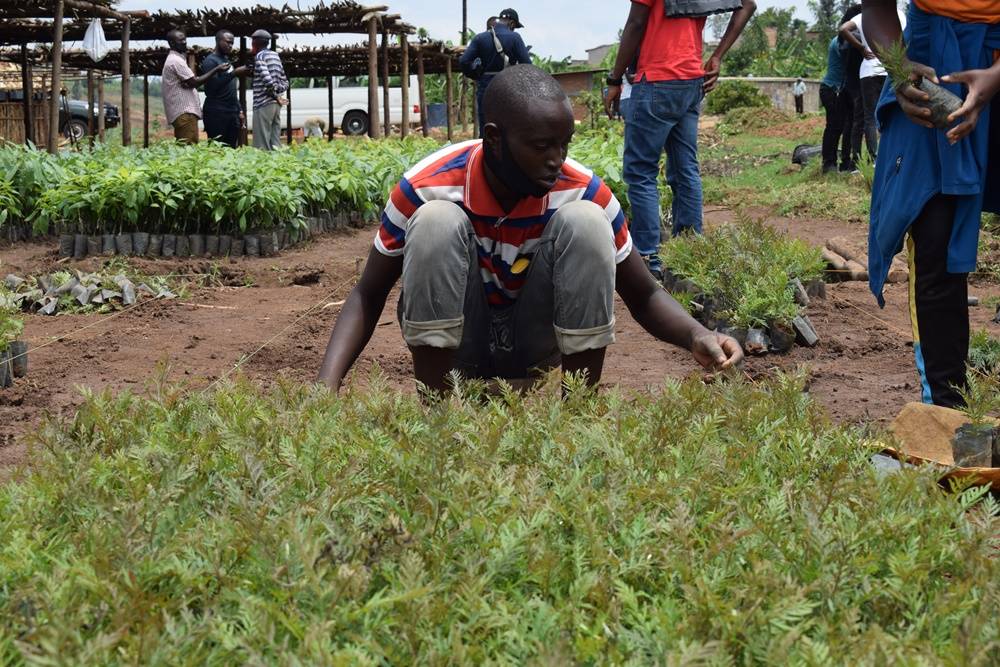
The photographs and captions are retained from EPR’s public source record. No current project status, scale or beneficiary figures are inferred.